
India's infrastructure landscape is undergoing a historic transformation, and few projects symbolize this shift more than the Delhi-Mumbai Expressway.
Stretching across six states and connecting two of India's largest economic centers, the Delhi-Mumbai Expressway is far more than a highway. It is becoming the backbone of a new logistics network that could reshape freight movement, warehousing, manufacturing, exports, and industrial development across western and northern India.
Once fully operational, the expressway is expected to reduce travel time between Delhi and Mumbai from nearly 24 hours to around 12 hours. However, the real story lies beyond faster travel. The corridor is creating opportunities for industrial parks, logistics hubs, warehousing clusters, manufacturing zones, and multimodal freight infrastructure along its route.
This article explores how the Delhi-Mumbai Expressway could become one of India's most important economic growth engines.
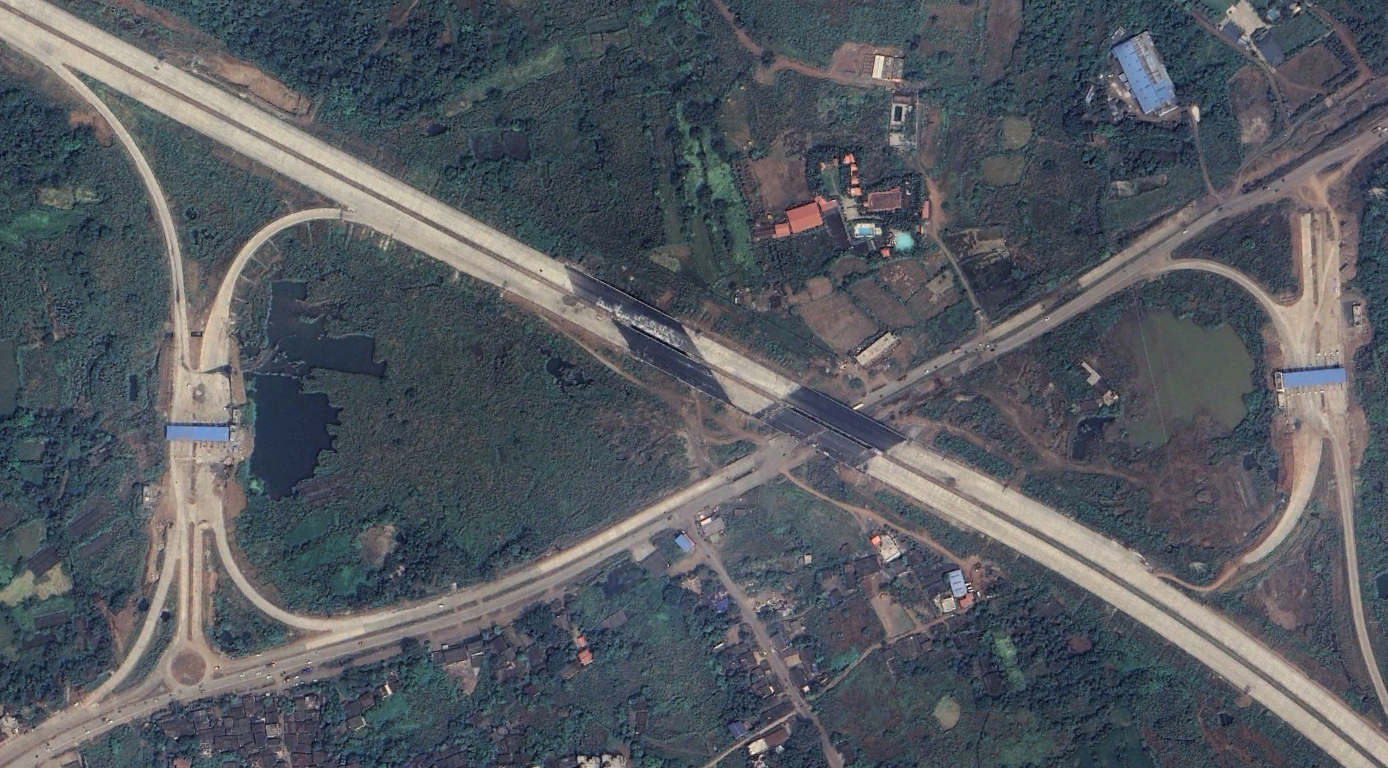
a. Delhi-Mumbai Expressway Overview
The Delhi-Mumbai Expressway is a greenfield access-controlled expressway connecting Delhi and Mumbai through Haryana, Rajasthan, Madhya Pradesh, Gujarat, and Maharashtra.
Key highlights include:
* Length of approximately 1,350 km
* Eight-lane access-controlled highway
* Expandable to twelve lanes
* Designed speed of 120 kmph
* Connection to major industrial and logistics regions
* Integration with the Bharatmala Programme
The expressway passes near several major industrial centers, including Gurugram, Neemrana, Jaipur, Pithampur, Vadodara, Bharuch, Surat, and Mumbai.
More importantly, it runs through the heart of India's most productive manufacturing and logistics belt.
b. How the Expressway Reduces Travel Time
Traditional freight movement between Delhi and Mumbai often faces delays due to:
* Urban congestion
* Toll plazas
* Mixed traffic
* Highway bottlenecks
* Slow-moving commercial vehicles
The Delhi-Mumbai Expressway addresses these issues through:
* Controlled entry and exit points
* High-speed design standards
* Bypasses around major cities
* Dedicated freight-friendly infrastructure
As a result, trucks can maintain more consistent speeds, improving delivery reliability and reducing transportation costs.
For logistics companies, predictability is often more valuable than speed itself.
Impact on Freight Movement
Freight transportation is expected to be one of the largest beneficiaries of the expressway.
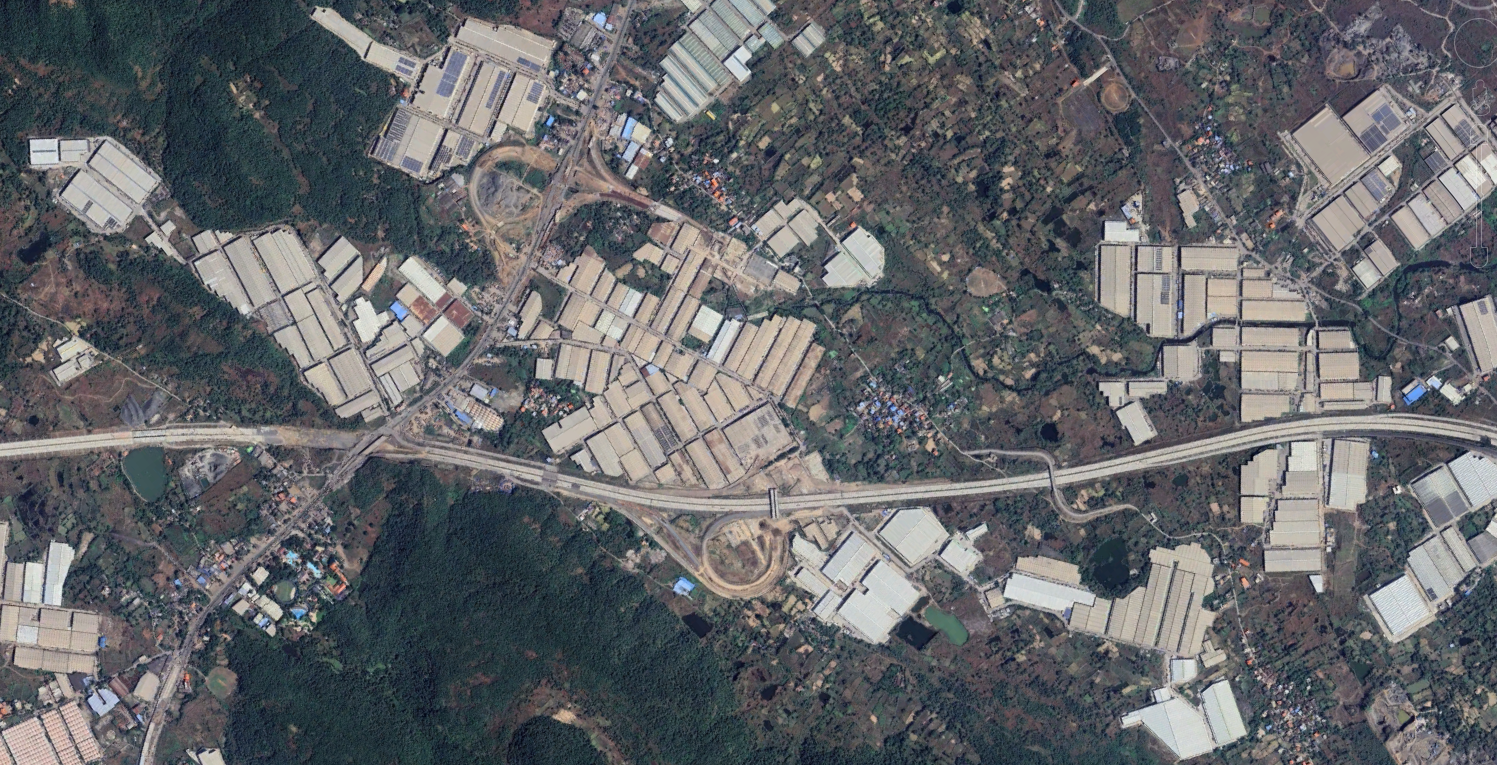
Faster Truck Turnaround
A truck that previously required almost two days for a Delhi-Mumbai trip may now complete the journey in nearly half the time.
This allows:
More trips per vehicle
Better fleet utilization
Lower fuel consumption
Reduced driver costs
Better Port Connectivity
The expressway strengthens connections to major western ports, including:
Jawaharlal Nehru Port (JNPA)
Hazira Port
Mundra Port
Kandla Port
Export-oriented manufacturers will be able to move cargo faster from inland industrial clusters to ports.
c. Integration with Freight Corridors
The expressway complements the Western Dedicated Freight Corridor, creating a powerful multimodal logistics ecosystem that combines road and rail transportation.
Together, these projects could significantly reduce logistics costs across India.
Impact on Warehousing
One of the least discussed but most important outcomes of the Delhi-Mumbai Expressway is the growth of warehousing infrastructure.
Historically, warehouses were concentrated around major cities because transportation networks were inefficient.
The expressway changes that equation.
c.1 Rise of Highway Warehousing
Large warehouses can now be built near interchanges instead of expensive urban locations.
Benefits include:
* Lower land costs
* Larger storage facilities
* Faster distribution
* Better truck access
c.2 Growth of Logistics Parks
Several logistics parks and multimodal logistics hubs are emerging along the corridor.
Key locations include:
* Sohna
* Bhiwadi
* Neemrana
* Pithampur
* Vadodara
* Bharuch
* Surat
* Bhiwandi
These locations are becoming attractive for:
* E-commerce fulfillment centers
* Cold storage facilities
* Third-party logistics providers
* Distribution centers
c.3 E-Commerce Expansion
Companies such as Amazon, Flipkart, and other logistics operators benefit from being able to serve multiple cities from fewer warehouse locations.
This improves efficiency while reducing inventory costs.
d. Major Industrial and Logistics Hubs Along the Delhi-Mumbai Expressway
The expressway passes through or near some of India's most important industrial regions.
d.1 Delhi NCR and Greater Noida
Key industries:
* Electronics
* Consumer goods
* Mobile manufacturing
* Warehousing
Advantages:
* Access to Delhi market
* Connection to Western Freight Corridor
* Large industrial workforce
d.2 Gurugram-Manesar Industrial Belt
Key industries:
* Automotive manufacturing
* Auto components
* Engineering products
Major manufacturers:
* Maruti Suzuki ecosystem
* Auto component suppliers
* Industrial engineering firms
This region will benefit from faster access to western ports and industrial markets.
d.3 Neemrana and Bhiwadi (Rajasthan)
One of India's fastest-growing industrial belts.
Industries include:
* Japanese manufacturing units
* Electronics
* Auto components
* Industrial machinery
Neemrana's strategic position between Delhi and Jaipur makes it a major beneficiary of expressway connectivity.
d.4 Jaipur Region
The Jaipur-Dausa-Bandikui region is emerging as a logistics and warehousing destination.
Potential growth sectors include:
* Logistics parks
* Distribution centers
* Industrial warehousing
* Food processing
d.5 Kota Industrial Region
Kota already has significant industrial activity in:
* Chemicals
* Fertilizers
* Engineering
Improved connectivity could attract new logistics and manufacturing investments.
d.6 Pithampur Industrial Area (Indore Region)
Often called the "Detroit of India," Pithampur is one of India's largest manufacturing hubs.
Industries include:
* Automobiles
* Pharmaceuticals
* Engineering products
* Heavy manufacturing
The Delhi-Mumbai Expressway strengthens Pithampur's connection to both northern markets and western ports.
d.7 Vadodara Industrial Cluster
Vadodara is a major center for:
* Engineering
* Chemicals
* Petrochemicals
* Industrial equipment
Its location on the expressway makes it a natural logistics gateway for Gujarat.
d.8 Bharuch-Ankleshwar Chemical Hub
This region is one of India's largest chemical manufacturing clusters.
Major sectors:
* Specialty chemicals
* Petrochemicals
* Pharmaceuticals
Improved freight movement could significantly enhance export competitiveness.
d.9 Surat-Hazira Region
Industries include:
* Textiles
* Diamonds
* Chemicals
* Port-based industries
The expressway strengthens Surat's role as a manufacturing and export powerhouse.
d.10 Vapi Industrial Area
Vapi remains one of India's most important industrial zones.
Key sectors:
* Chemicals
* Pharmaceuticals
* Plastics
* Textiles
Its strategic position near both Gujarat and Maharashtra markets makes it a major logistics beneficiary.
d.11 Bhiwandi Logistics Hub
Bhiwandi is already India's largest warehousing market.
The expressway will further strengthen its position as:
* A national distribution center
* E-commerce hub
* Logistics gateway for Mumbai
d.12 JNPA and Mumbai Region
The southern end of the expressway connects directly to India's busiest container gateway.
This enables:
* Faster exports
* Reduced transportation costs
* Improved supply chain efficiency
e. Connection with the Delhi-Mumbai Industrial Corridor (DMIC)
The Delhi-Mumbai Expressway and Delhi-Mumbai Industrial Corridor are complementary mega-projects.
The DMIC aims to create:
* Industrial cities
* Smart manufacturing zones
* Logistics parks
* Freight infrastructure
Major DMIC nodes include:
* Dholera Special Investment Region
* Shendra-Bidkin Industrial Area
* Vikram Udyogpuri
* Greater Noida Integrated Industrial Township
The expressway provides the road infrastructure needed to support these industrial developments.
Together, the two projects form one of the largest industrial development initiatives in the world.
f. Benefits for Manufacturers
Manufacturers along the corridor can expect several advantages.
f.1 Lower Logistics Costs
Transportation often accounts for a significant portion of manufacturing expenses.
Faster freight movement reduces:
* Fuel costs
* Vehicle costs
* Inventory carrying costs
f.2 Faster Market Access
Products can reach customers more quickly across India.
This is particularly valuable for:
* Consumer goods
* Electronics
* Pharmaceuticals
* Automotive components
f.3 Better Export Connectivity
Improved access to western ports makes Indian manufacturers more competitive in global markets.
g. Economic Impact
The Delhi-Mumbai Expressway is expected to generate economic benefits far beyond transportation.
Potential impacts include:
* Increased industrial investment
* Higher manufacturing output
* Job creation
* Warehousing growth
* Real estate development
* Improved export competitiveness
Regions that were previously outside major industrial corridors may now attract investment due to improved connectivity.
This could help spread economic growth across multiple states instead of concentrating it in a few metropolitan areas.
h. Latest Project Status
As of 2026:
* Large sections of the expressway are already operational.
* Delhi-Haryana-Rajasthan segments are carrying traffic.
* Gujarat sections continue to progress.
* Remaining gaps are expected to be completed over the coming phases.
Once fully operational, the expressway will create a continuous high-speed corridor connecting India's political capital with its financial capital.
i. The Conclusion
The Delhi-Mumbai Expressway is not simply a transportation project.
It is a logistics corridor, an industrial corridor, a warehousing corridor, and an economic corridor rolled into one.
From Gurugram and Neemrana to Pithampur, Vadodara, Surat, Bhiwandi, and JNPA, the expressway is creating a chain of industrial and logistics hubs that could redefine freight movement in India.
For businesses involved in manufacturing, warehousing, logistics, exports, and supply chain management, the Delhi-Mumbai Expressway represents one of the most significant infrastructure opportunities of the decade.